

How Long Does It Really Take to Learn the Piano?
Practicing the piano is something you can enjoy for a lifetime, but how long will it take until you can play your first song?Written by Anna Whistler [15.07.2026]If you've been asking "how long does it take to learn piano as an adult?", you're not alone. It's one of the most common questions asked by new pianists.But, the thing is, that question assumes there's a fixed finish line.There isn't. Learning piano is a journey, and how long it takes depends on how you define success, how you set your goals, and which learning method you choose.The good news? You can play your first songs in a matter of weeks, not years.Watch: The truth about whether it's ever too late to start learning piano.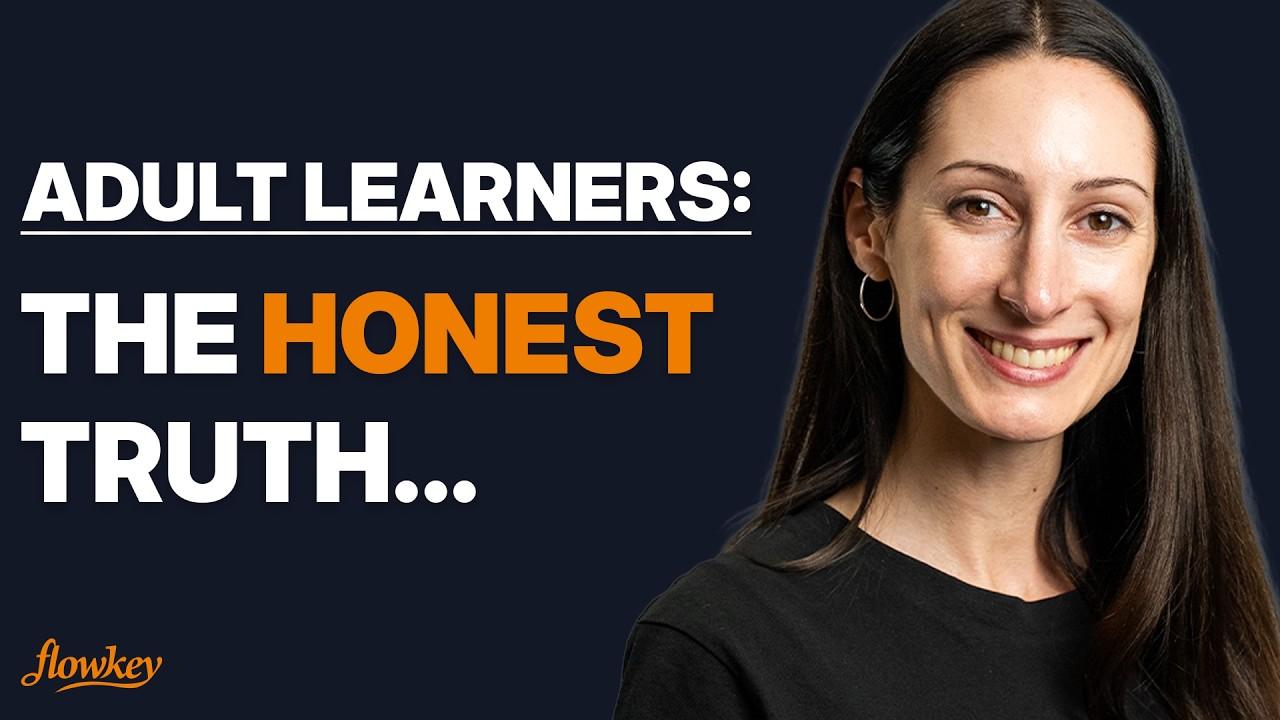
▶
By clicking, data will be transferred to YouTube / GoogleThere's no single answer. And that's a good thing
The honest answer to "how long will it take?" is that it depends entirely on what you want. For some people, success means playing a few favourite songs at home. For others, it's mastering complex classical pieces. Neither goal is wrong, but they require very different timelines.What matters most is identifying your why early. Why do you want to learn piano? Having a clear answer to that question will carry you through the days when practice feels hard, when progress feels slow, and when you're tempted to give up.Learning piano is ongoing, and even the world's best pianists are still evolving. So rather than counting down to some endpoint, the goal is to make the process itself enjoyable and sustainable.How do I set the right goals?
One of the biggest mistakes beginners make is setting a goal that's too big to feel achievable day-to-day. Say your dream is to play Bach's "Prelude in C Major," a beautiful, popular classical piece. That's a wonderful goal, but trying to learn the whole thing in a single practice session will leave you frustrated.The better approach: break it down.- Start with just the first phrase
- Or even just the first few notes of one hand
- Aim for what feels natural and automatic — not just technically correct, but physically comfortable
How to Practice
How often you practice is more important than how long you practice. Learning piano is based on creating muscle memory, and the part of the brain responsible for creating these memories is mainly triggered by repetition and habit. That's why it's most important that you practice as many days a week as possible, even if only for a few minutes. Practicing five days a week for twenty minutes will allow you to progress faster than practicing one day a week for two hours.The three ways to learn piano
1. Traditional lessons with a teacher
The biggest advantage of one-on-one lessons is personalised feedback. A teacher can watch how you sit, how you hold your hands, how you're approaching a difficult passage — and correct things you wouldn't even notice as a beginner. There's also an accountability factor: committing to a weekly lesson keeps you showing up.The downsides? Cost and scheduling. If you have a busy life with work, family, or other obligations, committing to a fixed weekly time slot can be genuinely difficult. And if you're not yet sure piano is for you, the upfront cost can feel like a big risk.2. Video tutorials (YouTube and social media)
Free, flexible, and there's no shortage of content for almost any song or style. That's exactly the problem. With so much to choose from, it's easy to get overwhelmed, bounce between teachers, and never follow a coherent path.Video platforms also aren't designed for learning—you'll constantly be pausing, rewinding, and losing your place. And without feedback, you have no way of knowing if you're developing bad habits.3. App-based learning
Apps sit in the middle: you get the structure of a teacher's curriculum without the rigidity of fixed lesson times. You can learn at home, on your own schedule, and most good apps include some form of feedback, confirming whether you're playing the right notes and rhythms. It's not the same as a real teacher watching your technique, but it's far better than nothing.The one con: you still have to show up. Apps can help with motivation through streaks and practice goals, but they can't make you sit down at the piano. That part is on you.Does age matter? (The honest answer)
Almost every adult learner has some version of this thought: Is it too late for me?The short answer is no. The slightly longer answer is more interesting.Children do have one genuine advantage: time. They can practice daily without competing priorities, and their developing brains absorb certain kinds of repetition more easily.But adults bring advantages that children simply don't have:- Self-directed motivation. You're here because you want this, not because a parent enrolled you. That internal drive is more sustainable than any external pressure.
- Musical experience. You've been listening to music for decades. You already know what good piano playing sounds like, and your ear will tell you when something's off, a skill a seven-year-old has to develop from scratch.
- Self-awareness. You know how you learn best. You can advocate for an approach that works for you and adjust when something isn't clicking.
Master the Basics
- Practice the middle C position. Place your right thumb on middle C and rest each of your other fingers on one key. From this position you can already play a five-finger scale plus the opening notes of popular songs like Beethoven's "Ode to Joy."
- Build confidence playing with the right and left hands. Start learning with your right and left hands separately, then practice playing with the two together once you feel confident.
- Follow a rhythm. You can build on the previous two exercises by practicing them in a steady rhythm.
So, how long does it actually take?
Here's a more useful reframe: instead of asking how long it takes, ask yourself whether this is something you want to do.With the right approach, you can:- Play your first simple songs within a few weeks
- Build a repertoire of songs you love within a few months
- Tackle more complex pieces within a year or two of consistent practice
Start learning with the flowkey app
If app-based learning sounds like the right fit, flowkey was built for exactly where you are right now. Pick a song you actually love and start learning it today, or follow one of our structured beginner courses if you'd prefer a guided path from the ground up. The app listens to every note you play and waits until you get it right before moving on. Over 15 million people have already learned piano this way. Download the app and start learning today.

Read next

4 Easy Chords to Learn New Piano Songs Quickly
Chords are the building blocks of music: Learn to master them and you'll be able to learn new songs even faster. Here's how.
The 20 Easy Piano Songs Every Beginner Will Love
You can play beautiful music on the piano, even as a beginner. We highlight 20 great, simple pieces—all available to learn with the flowkey app.
10 Slow and Beautiful Piano Songs to Put You in a Calm Mood
We round up some of our favorite piano songs from composers like Mozart, Frédéric Chopin and Amy Beach to help you bring more beauty — and peace — into your life.


