

Augmented and Diminished Chords
Augmented and diminished chords are dissonant chords that help to build tension in a chord progression. Here’s how they work — and how you can use them to improve your playing.Last updated on 01 Aug. 2024Note: You'll gain the most from this article if you have a basic knowledge of major and minor chords, and pop chord progressions.Augmented and diminished chords are found in some of modern music's best-loved songs, from classical masterpieces like Claude Debussy's "Clair de Lune" to jazzy pop hits like Maroon 5's "This Love."Like their names suggest, augmented and diminished chords are wider and narrower, respectively, than major and minor chords. Unlike major and minor chords, they sound quite dissonant on their own. Because of this, they are an excellent way to build tension within a chord progression — the tension comes from the dissonance, which gives listeners the feeling that something is unresolved. In this article we'll teach you how to play and identify augmented and diminished chords to unlock new expressive possibilities when playing piano. We'll also show you examples of songs that include these chords — all of which can be learned with the flowkey app.
Augmented Chords
How do you play augmented chords on piano?
The starting point for an augmented chord is a major triad. As always, it's made up of the root note, the major third and the fifth. Here's a C major triad:

What do augmented chords sound like?
The raised fifth in an augmented chord creates a dissonant, "unstable" sound with the root note — leaving the listener anticipating resolution in the next chord. In this way, augmented chords open the door to new harmonies that aren't "standard" in the key that you're in. They're also useful for building tension within a chord progression.What songs use augmented chords?
Augmented and diminished chords are rarely used at the start of a song, but you'll find them elsewhere more often than you might think. Sometimes they're buried deep in a progression, and they're often sustained to extend the tension."Take Five" — Dave Brubeck
This jazz standard, known for its unusual 5/4 time signature, makes use of augmented chords to add to its complex and innovative sound."Clair de Lune" — Claude Debussy
Debussy's use of augmented chords in "Clair de Lune" creates an ethereal and dreamy atmosphere. The piece features augmented chords in transitions and harmonies that contribute to its impressionistic style.Read: Claude Debussy: 10 Essential Piano Pieces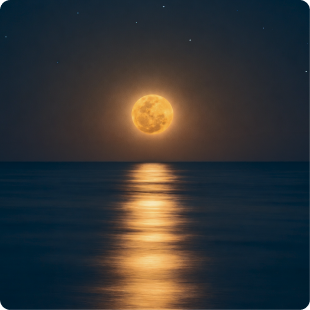
Diminished Chords
How do you play diminished chords on piano?
The starting point for a diminished chord is a minor triad. As always, it's made up of the root note, the minor third and the fifth. Here's a C minor triad:

What do diminished chords sound like?
The lowered fifth in a diminished chord creates a dissonance not unlike an augmented chord. But, because the basis is a minor chord, the effect is more eerie and ominous. Like augmented chords, they are often used as a bridge between two chords in jazz, rock and pop music. They also appear abundantly in classical music.What songs use diminished chords?
"Moonlight Sonata" (1st Movement) — Ludwig van Beethoven
The first movement of Beethoven's "Moonlight Sonata" features diminished chords that enhance the piece’s haunting and mysterious quality.Read: 5 Beethoven Piano Pieces to Learn for Players of All Levels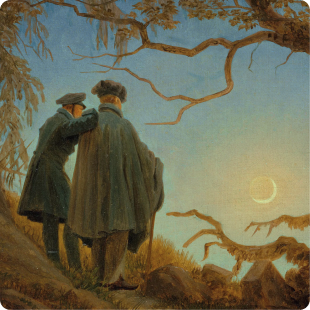
"This Love" — Maroon 5
It's rare to find diminished chords in pop, but this hit has a taste of jazz influence. The final chord of the verse progression is a diminished chord, as it switches to darker lyrics like "The chaos that controlled my mind."
Continue your musical journey — next steps and resources
Simply put, learning to identify and play augmented and diminished chords will make you a stronger piano player. With this knowledge, you've unlocked new possibilities for creativity and musical expression across all genres of music. And you'll be able to perform your favorite songs with greater nuance and sophistication. If you're wondering about what to do next, we recommend diving into the examples above and experimenting with these chords in your own playing. To keep learning about different types of chords, you can check out our chords library here in our magazine, and/or our Mastering Chords and Improvising with Chords courses in the flowkey app.Happy playing!
Read next

Ninth Chords
Ninth chords are known for their rich and dreamy sound. Learn how they work to bring their magic into your piano playing.
Seventh Chords
Seventh chords shape the mood and texture of piano music across almost all genres. Learn how they work to spice up your music-making!
Chord Inversions
Want to add depth, variety and fluidity to your piano playing? This article teaches you everything you need to know about chord inversions.


